


Three heavy defeats in five Tests, a series loss against South Africa after being 1-0 up, relinquishing the No. 1 ranking and slipping to third in the WTC: Australia are under significant pressure heading into the home summer, which will feature four Tests against New Zealand. Here are five key areas the selectors will need to address before that.
Who bats at No. 3?
One thing is certain, it can't be Marnus Labuschagne. Whether he can force his way back to Test cricket through domestic runs is another question, given he did that after being dropped last year and has averaged 23.66 from 10 Tests since his return. He looked a broken figure as he made 0 and 4 in Cape Town.
So, Australia will need a new name at first drop for the Perth Test. Or maybe an old name. With Josh Inglis' century in Cape Town and Cameron Green's return to fitness there is a squeeze for middle-order spots and neither are ideal candidates for No. 3, even though Green handled the position well in West Indies last year.
There's a strong argument to say that Steven Smith needs to go back up one spot: it's a position where he averages 65.22, his highest anywhere in the other. There are other options, such as potentially having Matt Renshaw do the job, selecting a third opener, or looking at Kurtis Patterson, who was close to joining the squad in South Africa. However, Smith has been there and done it before.
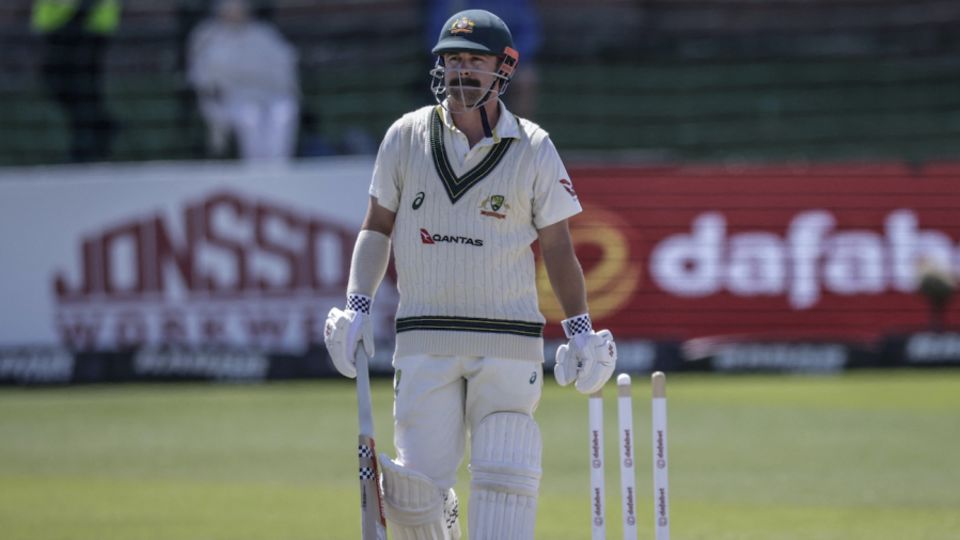
Are Head and Renshaw long-term opening pair?
Green's abdominal injury, which ruled him out of the first two Tests, forced the selectors to shift from their initial plan for this series, which was for Renshaw to open from the start.
The opening in the XI led to the shock recall for Nic Maddinson. Renshaw moved to No. 5 himself, where he dominated the first Test with 272 runs. By the time the series reached Cape Town, Green was fit again, Maddinson dropped, and Renshaw back at the top with Travis Head. While Australia continue to talk up the virtues of a flexible batting order - and it could well be on display in India early next year - they need a settled opening combination.
Renshaw showed his adaptability by making 74 in the first innings in Cape Town and has earned an extended run heading into the home summer. However, talk continues in some quarters as to whether Head should be opening. He averages 47.36 in the role since the start of the Ashes with four centuries, but the issue of dragging the ball on to his stumps hasn't gone away.
Recommended Read

The role of the No. 7
Beau Webster and Cooper Connolly, who does not have a first-class century, held that position in South Africa (although Webster was shuffled around in the second Test after Smith's neck injury). In six innings they made 93 runs. With the ball, they sent down 38 overs and claimed two wickets.
Therefore, Australia need to answer what they really want from their No. 7. Are they among the seven best batters in the country, or is contributing with the ball a requirement to be picked for that position?
Green being injured, then unavailable to bowl, removed Australia's standout all-round option. If he's fully fit for the New Zealand series, his presence could open the door for a different balance to Australia's XI. Connolly is worth investing in, but with just 14 first-class matches - two of which are Tests - he's being asked to learn a lot on the job.
Is Lyon a fading force?
Nathan Lyon produced two superb pieces of bowling to remove Temba Bavuma twice at Newlands. First, he slipped the ball past his outside edge in the first innings. Then, he ripped one out of the rough in the second. Lyon has also provided good control in both matches he played.
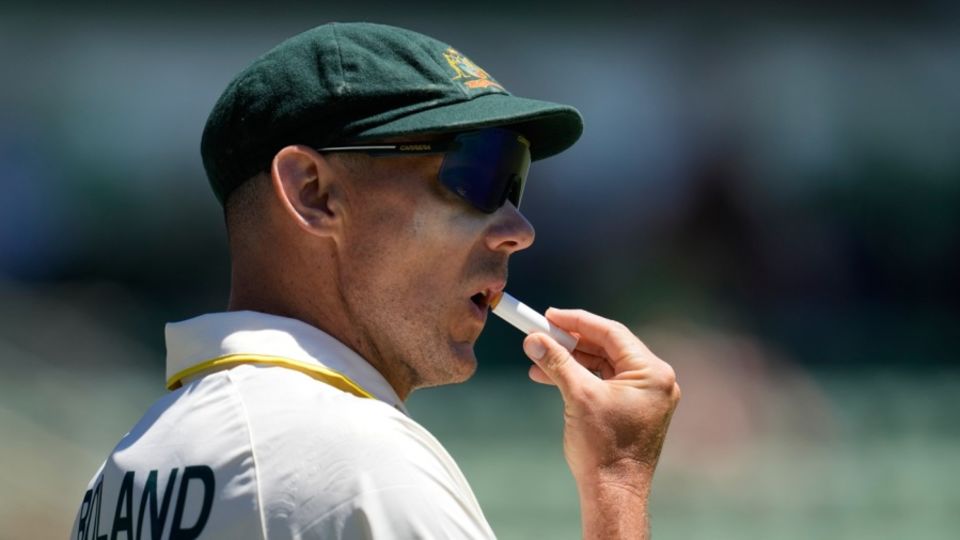
However, by the end of the final Test, he had been comprehensively out-bowled by South Africa's Simon Harmer. We'll never know what Lyon could have done on the fifth-day wicket at Newlands - Pat Cummins took that option away by bowling first - but Cummins himself said he didn't think the pitch had changed markedly in the final innings, which suggests Lyon needed to be more of a wicket-taking threat on the fourth day.
Lyon will be 39 by the time the New Zealand series starts. He bristles at suggestions his powers could be waning, but he's had to come back from a serious hamstring injury, and from his four Tests in 2026, he is averaging 41.20. This has comfortably been the most expensive year of his career.
The (never-ending) Boland debate
Not for the first time, the fortunes of Lyon and Scott Boland were inextricably linked on this tour, when the latter got the nod for the second Test at St George's Park. Boland claimed five wickets and made 40 as nightwatcher before being left out of the decider. However, at Newlands the debate was never really Lyon vs Boland, as the offspinner had to play.
Cummins has often called trying to find a place for Boland a good problem to have. There is every chance that the remainder of Boland's career plays out in the same in-and-out role - either waiting for specific conditions suited to him, or an injury to one of the big three fast bowlers: Cummins, Josh Hazelwood and Mitchell Starc.
But as Cummins' wicketless spell extended into the Cape Town Test - eventually ending at 374 deliveries - and Hazlewood was less effective than he'd been at Kingsmead, Boland was being talked of as a first-choice contender to play in this Australia, ahead of one of the big three, once again. This has happened only once when all four bowlers were available, but the possibility of it recurring won't have gone away when the Test side reconvenes in Perth next month.