

The rope in cricket calls up all kinds of feelings: players can't wait to cross it to start a game, but slow down while crossing back after a dismissal, just in case a replay might show they are not out. They love it when the ball touches it (or, even better, clears it) but dread touching it themselves.

For spectators close to the boundary, it figures prominently whether they're watching runs or catches at the boundary, heckling fielders, or waiting to see if the ball comes their way.
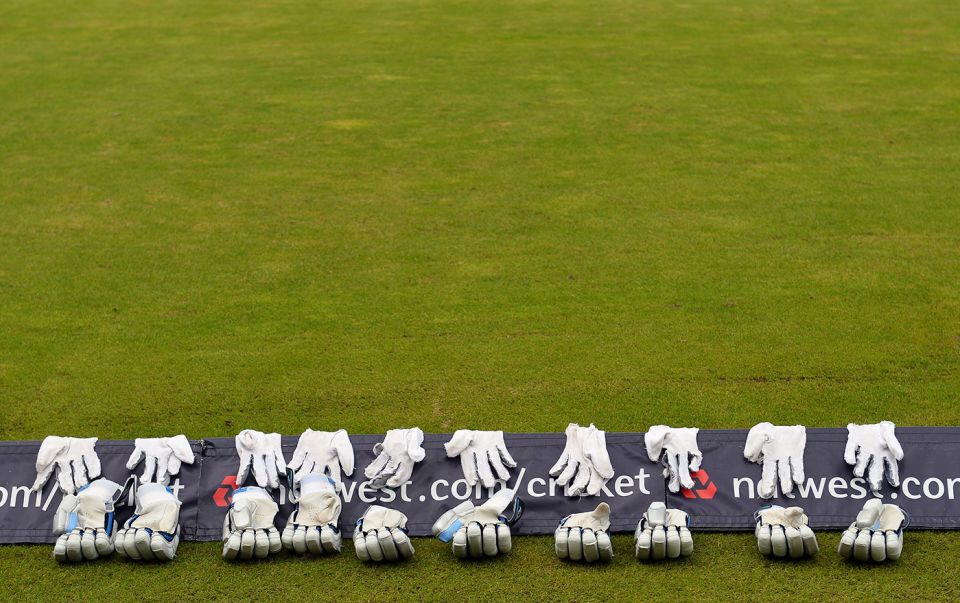
The commercialisation of cricket hasn't left the rope untouched. Advertising foam triangles now cushion diving fielders as they crash into the fence.

Ropes serve other uses too: not only gloves, the leather to make balls also needs to be hung up on clotheslines - that's rope too! - to dry. (Look at the photographer's name above for a non-rope pun; for rope puns, scroll down.)

Also ropes: to anchor a tent accommodating Parsee women at a game in India, circa 1910.

Give Andrew Flintoff enough rope and he'll hang himself with it.

It's true that Inzamam-ul-Haq didn't enjoy fitness drills. You had to rope him in.

To retrieve the ball from the roof gutter, you need to be at the end of your rope.

Rope also makes for a fetching, if heavy, hairdo, as a ground staff member demomnstrates in Ahmedabad during the 2011 World Cup.
Recommended Read




To collect and store the rope that runs all along the ground, it's convenient to use a boundary rope winder, as these members of the Ship Inn club in England do after a game on the beach.

No machine for me, thanks. I'll use my own muscles to drag the boundary ropes away.

Sometimes rope along the boundary of a cricket ground isn't rope - it's broadcasters' cable.

You can use battle ropes to build those muscles.

Or pull them.

Or skip over them.

Maybe work on your balance with the world's easiest tightrope walk.

Which is better: manning the boundary and dogging it?