


The ankle injury that befell James McCollum at Lord's a fortnight ago was unfortunate for a number of reasons - depriving the Ireland opener of valuable Test experience, as well as leaving No. 8 Andy McBrine stranded in sight of a maiden hundred and a place on the honours board. Less significantly, because England still went on to complete a comfortable win, it meant that for the first time under Ben Stokes the bowlers had failed to take all ten wickets in an innings.
Ireland were all out, of course, which is the statistic that matters. But McCollum retiring hurt ended a run of 24 innings across 13 Tests in which England had rounded up ten wickets; the only time they hadn't taken 20 in a match coincidentally also came at Lord's in an innings defeat to South Africa last August. This century, only South Africa had managed a longer streak (25 consecutive innings between 2017 and 2018).
If skyscraping run rates have been the most arresting feature of England's approach under Stokes and Brendon McCullum, no less important has been a hitherto-lacking cutting edge with the ball - a commitment to wicket-taking that has seen them find a way everywhere from Mount Maunganui to Multan.
Recommended Read


In batting, the old adage says, "It's not about how, but how many." England have subverted that with their bowling plans. The "how many" is non-negotiable - 20 wickets to win a Test - but the "how" is the crux of the matter. Whether it is through stacking the slips, introducing spin inside the first hour or switching to a short-ball bombardment, Stokes has refused to let games drift in a manner that England captains past have been guilty of.
Old guard, new approach
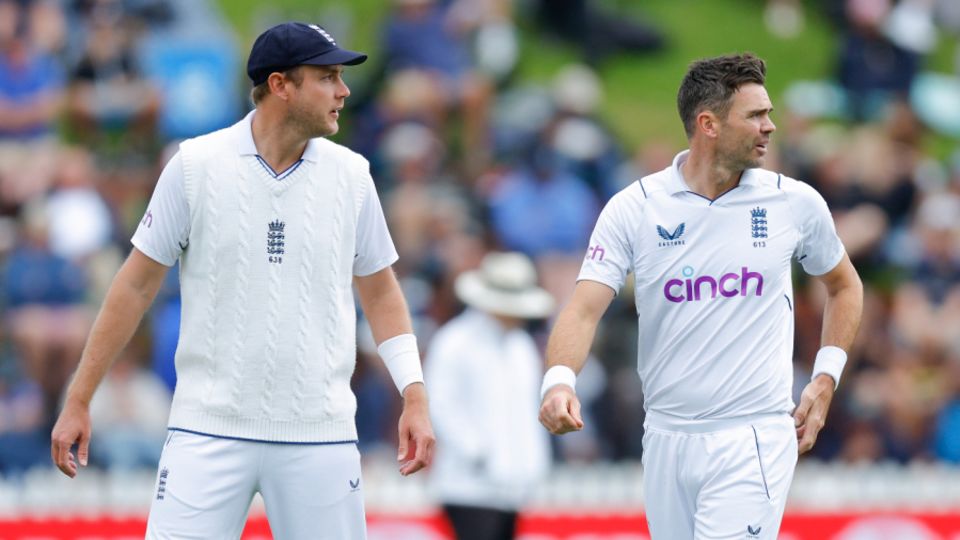
Under Stokes, England's three most successful bowlers have been James Anderson, Stuart Broad and Jack Leach. Given they have close to 1300 Test wickets between them, those first two names are not hugely surprising - but it should be remembered neither was involved in the series prior to Stokes taking over as captain, a 1-0 defeat in the Caribbean.