


In Australia, the host broadcaster of this series announced they would make the first session of the final day at Newlands free to watch. You could see the idea: draw people in for what was set to be an epic final day to a series of twists and turns, and maybe some would then sign up to watch the closing few hours with everything to play for as Australia tried to chase down 288 to remain the No. 1 team in the world.
All good in theory. In practice, however, those tuning in who may not otherwise have done so saw Australia collapse to 60 for 7 at lunch in a Halloween horror show. It included the potential end of a Test career, some ropey shot selection and a calamitous run-out. For anyone who stayed on for the grisly end, Australia managed to drag it out until just past the scheduled tea interval. It was a painful watch. On the flip side, the morning session was so dramatic that Cricket South Africa threw the gates of Newlands open after lunch.
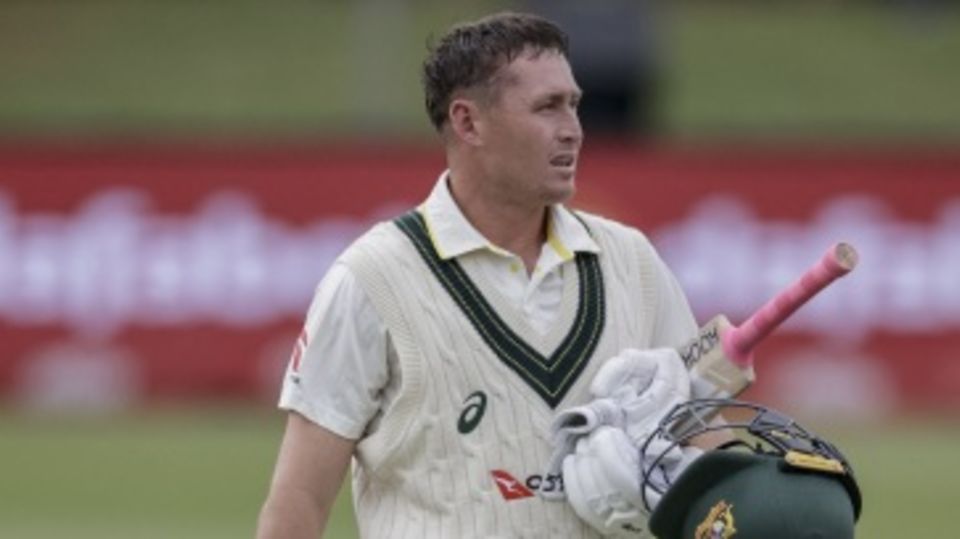
Australia's demise started in somewhat unlucky fashion when Matt Renshaw, one of the positives for Australia with the bat on this tour, glanced Kagiso Rabada's third ball down the leg side. But it felt sadly inevitable that Marnus Labuschagne's series would end in such hapless circumstances, padding up to a ball which jagged back sharply off the seam, when Australia's quicks had barely moved a single delivery yesterday, and upheld on umpire's call. Labuschagne probably won't play in Perth when Australia's Test side reconvene for the New Zealand series in December.
Recommended Read
After one over it was 5 for 2 and the die was cast. Rabada had a third when Travis Head slashed and was caught at gully, where Marco Jansen didn't miss the chance to imitate Head's fist-pumping celebrations of earlier in the game. Head's departure virtually ended any chance Australia would be able to chase the runs. Alex Carey's dismissal, reverse-sweeping Simon Harmer, when Australia were already in massive trouble after Josh Inglis' run-out was horrid, whatever a player will say about it just being another shot in their armoury.
When Australia emerged after the break, they attempted to go into blockathon mode. Cameron Green handled the pace while Pat Cummins took the spin, which the captain later said was about protecting him rather than Green, who had faced challenges playing Harmer with the grip out of the footmarks. But the plan was outmanoeuvred when Temba Bavuma switched Harmer to the Kelvin Grove End and Green was beaten by sharp turn as he skipped out of his crease at the first ball of the spell.
Cummins and Nathan Lyon showed up the top order with solid defence, but it never got close enough to create tension. Australia narrowly avoided being bowled out for double figures twice in consecutive Tests for the first time since 1936-37 (it has only happened once across a whole series since) and there was the ignominy of No. 10 Lyon top-scoring as he did in the 47 all out on this ground in 2011. The final total of 111 was just four more than Australia made the day after the ball-tampering scandal had erupted eight years ago.
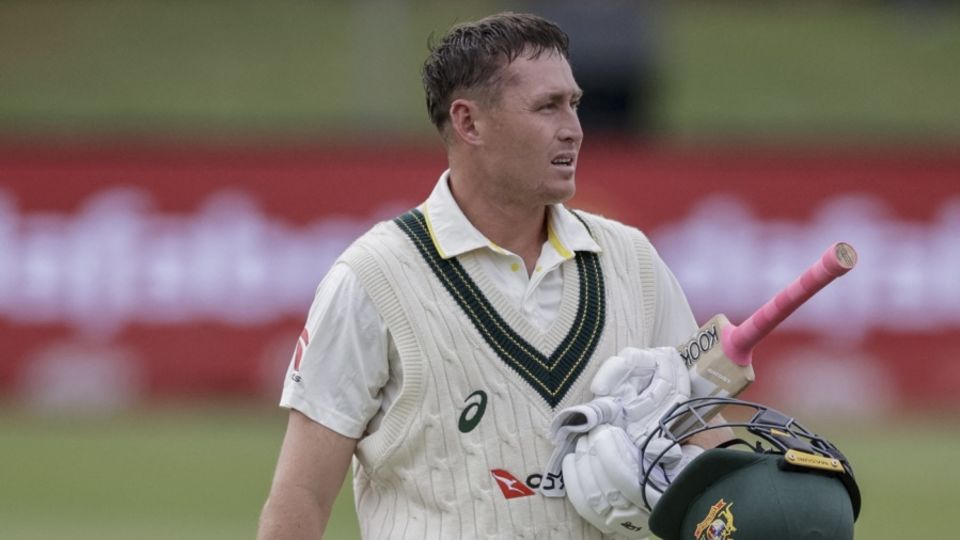
While not left in tatters in the same way as 2018, Australia will leave this tour with massive regrets, and significant questions that need answering. After the first day at Kingsmead, where the warning signs of the batting had flashed at 124 for 6 before Matt Renshaw's tour de force, they dominated a rusty home side. At the end of the second day at St George's Park they had South Africa for the taking on 97 for 5. Even when they recovered magnificently to post 425, one solid day of batting would have averted the follow-on and all but assured a draw given the time lost to weather, meaning the series lead would have been carried to Cape Town.
Yet such was the overwhelming nature of South Africa's innings-and-31-run win, the balance of the series felt different to just being 1-1 as it arrived in Cape Town. There was the ongoing talk around Labuschagne's spot, the reignited Lyon vs Scott Boland debate and the developing situation around Steven Smith's neck injury. For South Africa, the only discussion was who would replace Anrich Nortje. On the morning of the Test, Australia made four changes, the most since Johannesburg in 2018, the match after ball-tampering. Then Cummins decided to bowl first.
To Australia's credit, they turned around a woeful start to build a position of strength. But as Harmer spun the ball sharply on the final day that decision looked ever more questionable. Yet, despite South Africa being 158 without loss on the opening day, there were two other phases that also decided this match and the series. After the superb stand of 185 between Inglis and Carey, Australia lost their last six wickets for 59 runs meaning their lead was limited to 100: more than looked likely at 185 for 4, but a missed opportunity from 370 for 4, especially knowing they would be batting last, of their own accord.
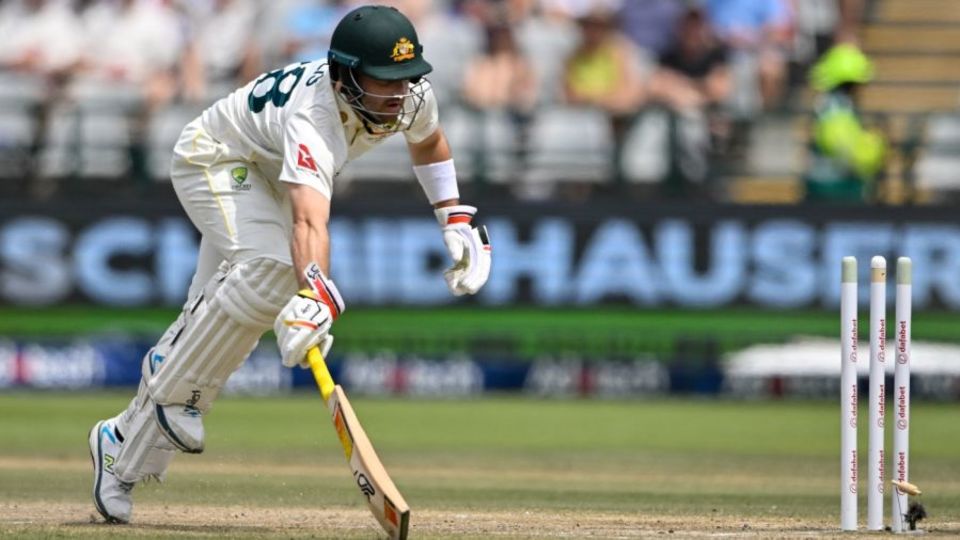
Then on the fourth day, they could only manage one wicket in the first 73 overs. The make-up of the bowling attack, and specifically the omission of Boland will come under scrutiny after Josh Hazlewood claimed match figures of 2 for 127 from 36 overs. At the time the pitch looked dead for the quicks but that was put into a less flattering light with what Rabada managed to do on the final morning - with a new ball that Vernon Philander had helped them select after being shocked that they allowed the spinners to pick one - while Harmer was a much more consistent threat than his opposite number Lyon.
Australia are increasingly becoming a Test side of extremes which seems odd for such an experienced team, notwithstanding the absence of Smith for this decider. But with Smith missing, they still produced an encouraging batting display on the second day only to follow it with another calamity on the last. The good days are still good, but the bad days are becoming increasingly stark.
Australia started this tour as the No. 1-ranked Test team, top of the World Test Championship table and with the prospect of three era-defining away tours in front of them. They have now lost their standings in the first two and while achieving the third ambition of an overseas trifecta was always going to be a tall order, it has fallen at the first hurdle. It made for grim viewing, even for free.